Sensor-based selection systems have become essential in large-scale processing of electronic waste-Newberry Metal Recycling Limited
Technology Frequently Employed for the Isolation of Metal Mixes after Eddy Current Separation.
A manufactured optical Selector and Its Feeding Mechanism Utilized by UK Greater Manchester’s Newberry metal recycling limited in Electronic Scrap selecting operations.
Sensor-based selection systems have become essential in large-scale processing of electronic waste. These systems are especially adept at isolating nonferrous metal blends from the stream of materials typically found following an eddy current separation. These sorting solutions can meticulously retrieve even the finest strands of copper, effectively diminishing the presence of metals in the resultant plastics mix.
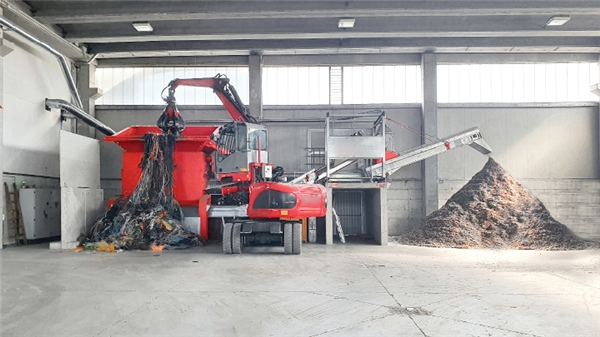
A common procedure in the recycling of electronic components is to amalgamate circuit board contents with wire residues. This usually takes place as an additional step post the initial extraction of nonferrous materials. To achieve the segregation of these composite materials, a recycling facility must utilize a versatile sensor-based selection apparatus, equipped with both electromagnetic and optical (near-infrared/visible) detection capabilities.
The segregation of plastics tends to occur through a “negative selection” process, whereby they are what remain after the valuable metal elements have been extracted. This resulting mix of plastic polymers is typically transported as a heterogeneous blend.
The task of separating different plastics from the fragmented debris of discarded electronics using sensor-based selectors is complex: accurate sorting with near-infrared technology is effective mainly for non black plastics. Although there are sophisticated optical selection systems commercially available that can differentiate between black plastics based on their polymer make-up, they too have their own set of limitations. The various filler substances utilized in black plastics complicate their recycling process. Nevertheless, despite these obstacles in plastic sorting, the effectiveness of sensor-based selection for nonferrous metal recovery underpins its essential role in any high-capacity electronic waste shredding facility: these systems often generate the most considerable income for the operation.
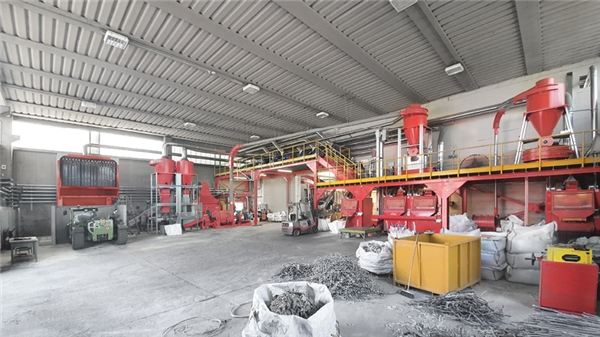
The effectiveness of sensor-based selection equipment is heavily reliant on appropriate material preparation.
Effective material preparation is essential for the success of these sensor-based machines. Proper liberation of the material using the right shredding technology and ensuring the material is presented in a single layer and well-distributed on the belt is crucial for optimizing the performance of the optical selection and reducing collateral damage. This helps to enhance the optical selectors ability to survey the belt and reduce the likelihood of ejecting unintended materials.
Technology Frequently Employed for the Isolation of Metal Mixes after Eddy Current Separation.
A manufactured optical Selector and Its Feeding Mechanism Utilized by UK Greater Manchester’s Newberry metal recycling limited in Electronic Scrap selecting operations.
Sensor-based selection systems have become essential in large-scale processing of electronic waste. These systems are especially adept at isolating nonferrous metal blends from the stream of materials typically found following an eddy current separation. These sorting solutions can meticulously retrieve even the finest strands of copper, effectively diminishing the presence of metals in the resultant plastics mix.
A common procedure in the recycling of electronic components is to amalgamate circuit board contents with wire residues. This usually takes place as an additional step post the initial extraction of nonferrous materials. To achieve the segregation of these composite materials, a recycling facility must utilize a versatile sensor-based selection apparatus, equipped with both electromagnetic and optical (near-infrared/visible) detection capabilities.
The segregation of plastics tends to occur through a “negative selection” process, whereby they are what remain after the valuable metal elements have been extracted. This resulting mix of plastic polymers is typically transported as a heterogeneous blend.
The task of separating different plastics from the fragmented debris of discarded electronics using sensor-based selectors is complex: accurate sorting with near-infrared technology is effective mainly for non black plastics. Although there are sophisticated optical selection systems commercially available that can differentiate between black plastics based on their polymer make-up, they too have their own set of limitations. The various filler substances utilized in black plastics complicate their recycling process. Nevertheless, despite these obstacles in plastic sorting, the effectiveness of sensor-based selection for nonferrous metal recovery underpins its essential role in any high-capacity electronic waste shredding facility: these systems often generate the most considerable income for the operation.
The effectiveness of sensor-based selection equipment is heavily reliant on appropriate material preparation.
Effective material preparation is essential for the success of these sensor-based machines. Proper liberation of the material using the right shredding technology and ensuring the material is presented in a single layer and well-distributed on the belt is crucial for optimizing the performance of the optical selection and reducing collateral damage. This helps to enhance the optical selectors ability to survey the belt and reduce the likelihood of ejecting unintended materials.
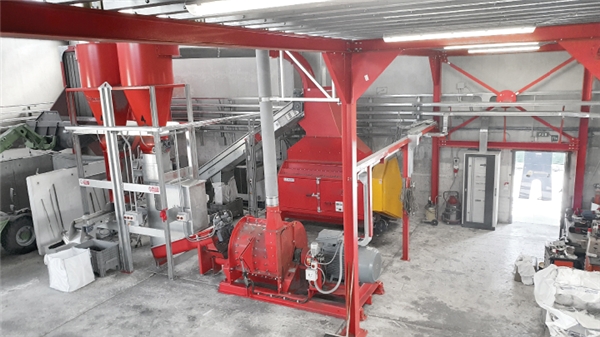
英國大曼徹斯特的Newberry 金屬再生資源有限公司在電子廢料分選操作中使用了制造的光學選擇器及其進料機構(gòu)。
基于傳感器的選擇系統(tǒng)在電子廢物的大規(guī)模處理中已變得至關(guān)重要,這些系統(tǒng)特別擅長從渦流分離后通常發(fā)現(xiàn)的材料流中分離有色金屬混合物,甚至可以精心回收最細的銅線,從而有效減少最終塑料混合物中金屬的存在。
電子元件回收的常見程序是將電路板內(nèi)容物與電線殘留物合并,通常作為有色金屬材料初始提取后的附加步驟進行。為了實現(xiàn)這些復合材料的分離,回收設施必須使用基于傳感器的多功能選擇裝置,并配備電磁和光學(近紅外/可見光)檢測功能。
塑料的分離往往是通過“負選擇”過程發(fā)生的,即在提取有價值的金屬元素后留下的塑料。 由此產(chǎn)生的塑料聚合物混合物通常作為異質(zhì)混合物進行運輸。
使用基于傳感器的選擇器從廢棄電子產(chǎn)品的碎片中分離不同的塑料的任務很復雜:利用近紅外技術(shù)進行精確分選主要對非黑色塑料有效。
盡管市面上有先進的光學選擇系統(tǒng)可以根據(jù)聚合物成分區(qū)分黑色塑料,但它們也有其自身的局限性。黑色塑料中使用的各種填充物質(zhì)使它們的回收過程變得復雜。
然而,盡管塑料分選存在這些障礙,基于傳感器的有色金屬回收選擇的有效性支撐了其在任何高容量電子廢物粉碎設施中的重要作用:這些系統(tǒng)通常為運營帶來最可觀的收入。基于傳感器的選擇設備的有效性在很大程度上依賴于適當?shù)牟牧现苽洹S行У牟牧蠝蕚鋵τ谶@些基于傳感器的機器的成功至關(guān)重要。
使用正確的粉碎技術(shù)正確釋放材料并確保材料以單層形式呈現(xiàn)并均勻分布在傳送帶上,對于優(yōu)化光學選擇的性能和減少附帶損壞至關(guān)重要。這有助于增強光學選擇器測量傳送帶的能力并減少彈出意外材料的可能性。
免責聲明:市場有風險,選擇需謹慎!此文僅供參考,不作買賣依據(jù)。